Independent deep-dive report on any U.S. listing.
Pick any U.S. listed company. Within 3 hours, receive an English-language deep-dive report — primary-sourced from SEC filings, IR materials, and audited statements. Editorial research, not investment advice.
$12 per report · secure checkout via Gumroad
Editorial summary, not investment advice.
Or read MinJeKim's daily analysis articles →
Want a quick morning briefing?
Start each day with the U.S. market in plain English. A short morning email summarizing the key U.S. markets moves — earnings, disclosures, and foreign flows — completely free.
Researching one company?
Commission a custom deep-dive on any U.S. listed company. We read the SEC filing and write an English analysis of the financials, business, and risks — emailed as a PDF within 3 hours, $12 per report.
Following U.S. markets every day?
Read every analysis article the moment it publishes. Full unlimited access to our daily U.S. market coverage plus the 90-day archive, for $9.99/mo. Cancel anytime.

From the Author of LineVest
The Financial Statements You'd Be a Fool Not to Read
The Investor's Easy Guide to Annual and Quarterly Reports. Learn to read financial statements like a pro — without getting lost in accounting jargon.
Get it on AmazonMost Read
View All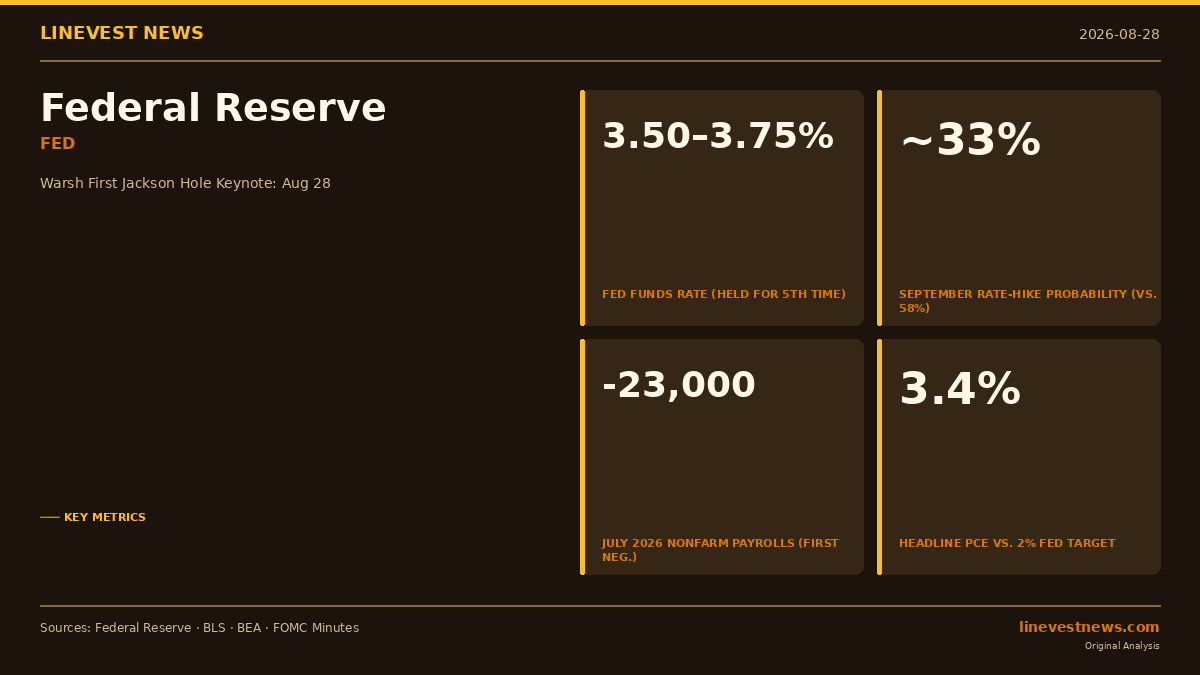 #1
#1Jackson Hole 2026: Fed Chair Warsh's First Keynote August 28 — Three Scenarios for the September Rate Decision
News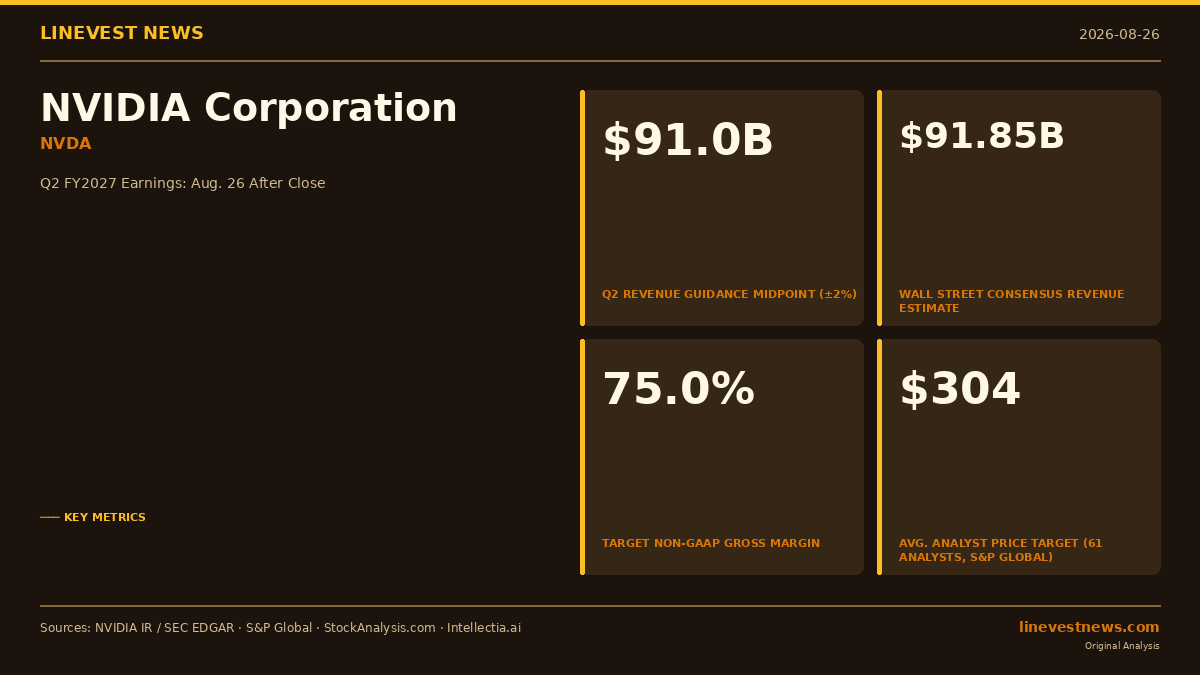 #2
#2NVIDIA (NVDA) August 26 Earnings: $91B Revenue Target, 75% Gross Margin, and Blackwell Ultra Outlook
News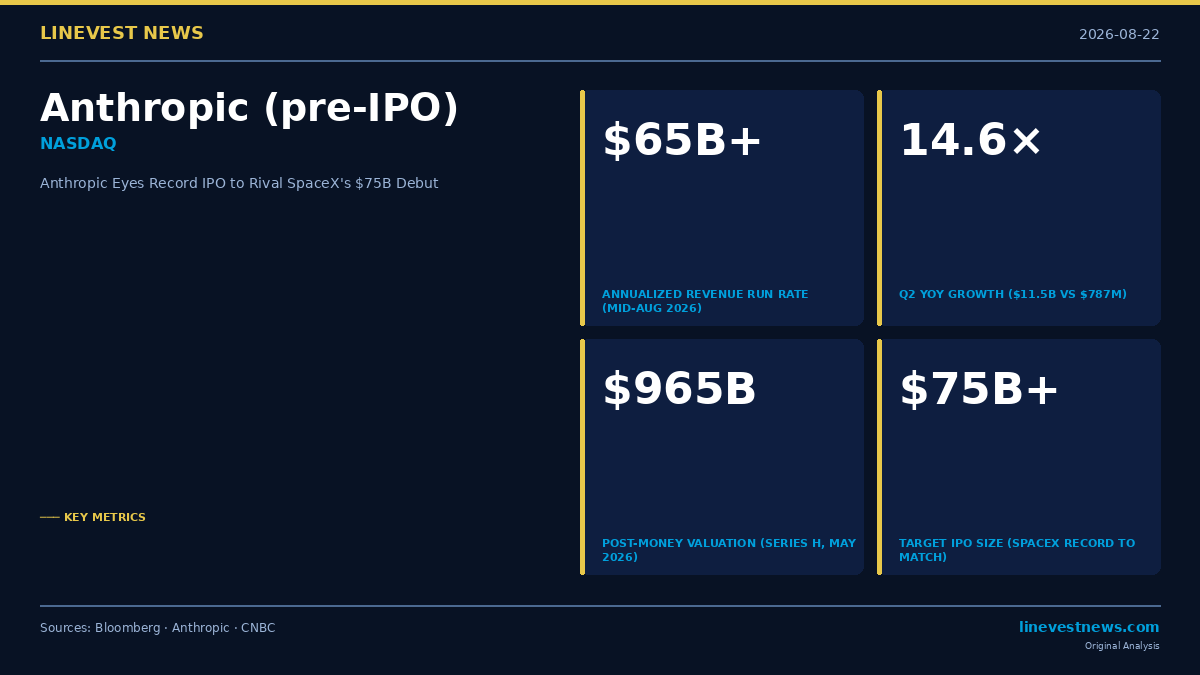 #3
#3Anthropic Eyes Record IPO to Rival SpaceX's $86 Billion Raise: What US Investors Need to Know
News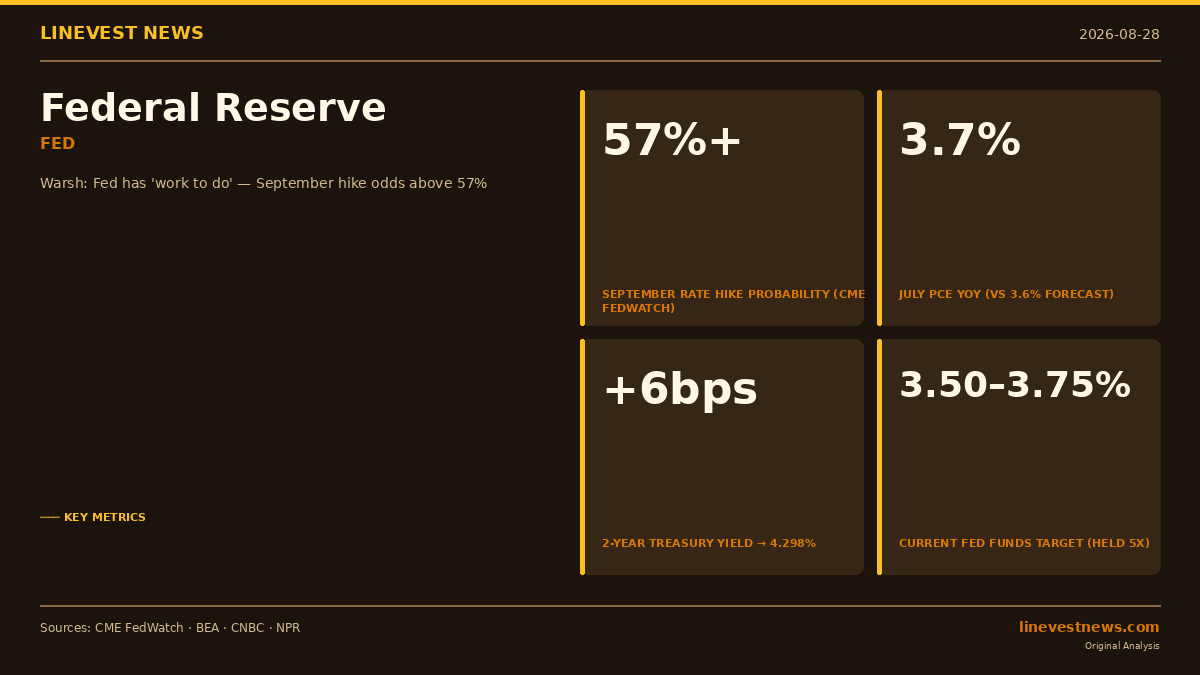 #4
#4Warsh Says Fed Has 'Work to Do' at Jackson Hole — September Rate Hike Odds Surge Past 57%
News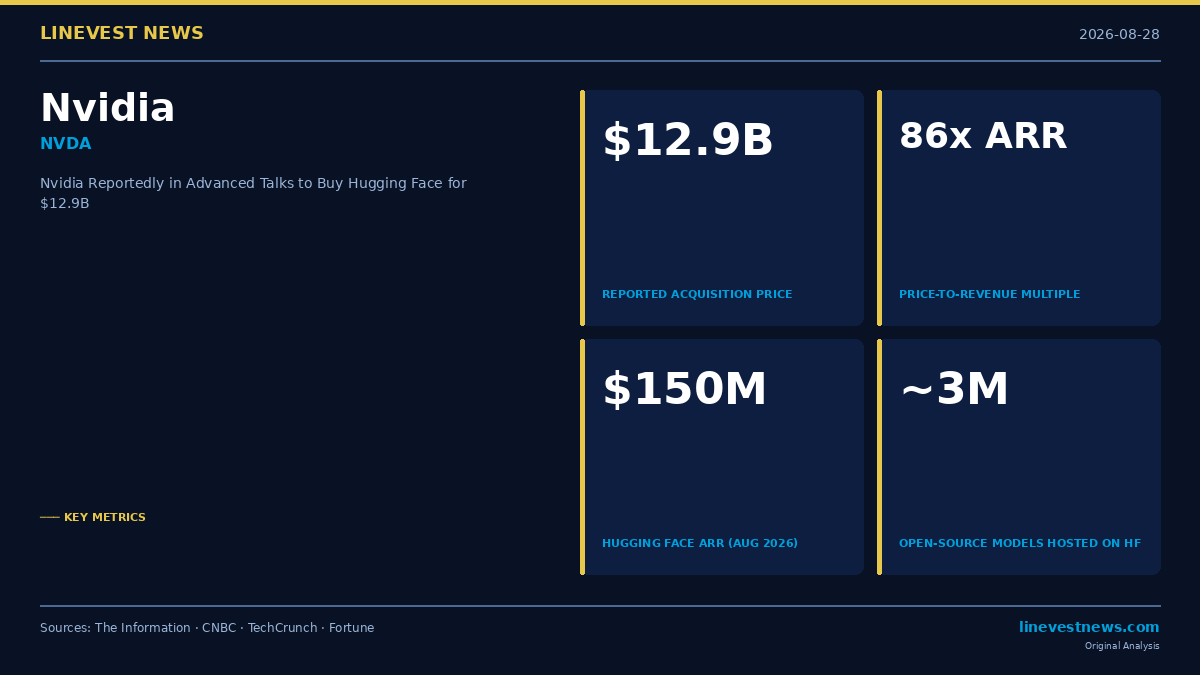 #5
#5Nvidia Reportedly in Advanced Talks to Acquire Hugging Face for $12.9 Billion
News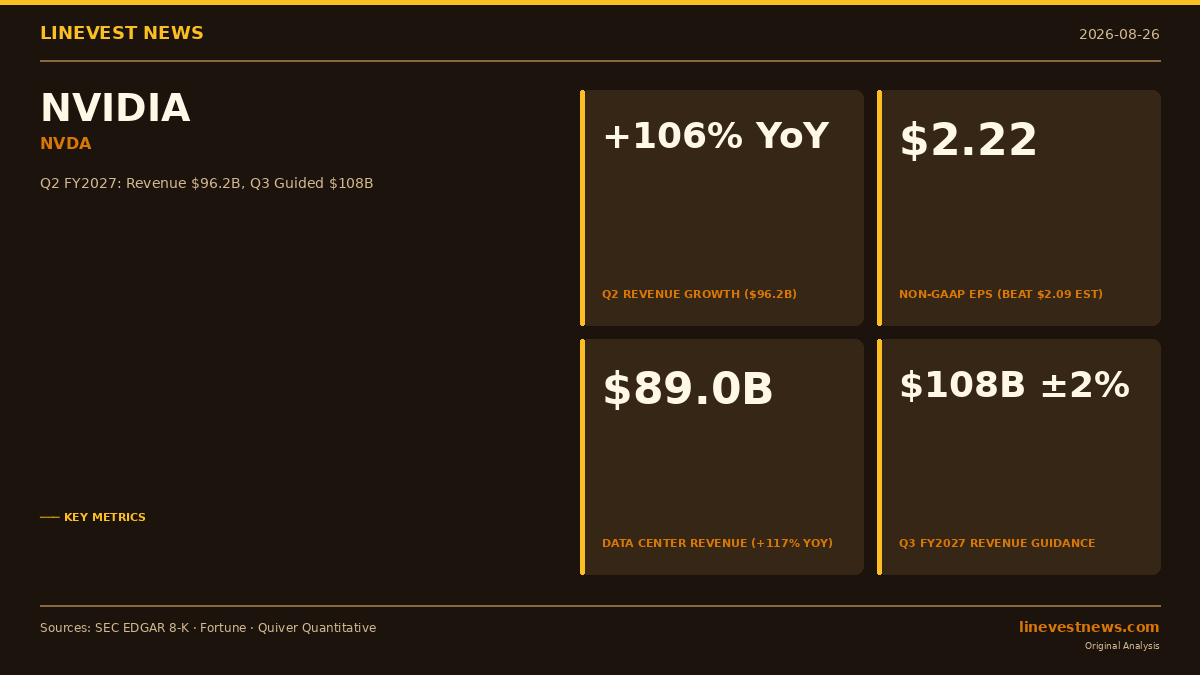 #6
#6NVIDIA Q2 FY2027 Earnings: Revenue Surges 106% to $96.2 Billion, Q3 Guided at $108 Billion
NewsFinancial Analysis
 Premium
Chipotle (CMG) Q2 2026: Margin 15.7%, Buybacks Erase Retained Earnings
3 hours ago Premium
Visa (V) Q3 FY2026: Value-Added Services Revenue Climbs to $3.8B While FX Revenue Growth Slows to 6%
15 hours ago Premium
Allstate (ALL) Q2 2026: EPS Up 61% to $12.51, Underlying Margin Flat
20 hours ago Premium
Synopsys (SNPS) Q3 FY2026: Revenue +42%, Debt Down $3.5B
1 day ago Premium
Ecolab (ECL) Q2 2026: $4.75B CoolIT Bet, Net Income +2%
1 day ago Premium
Workday Q2 FY2027: $305M Tax Benefit More Than Doubles Net Income
1 day agoNews
View All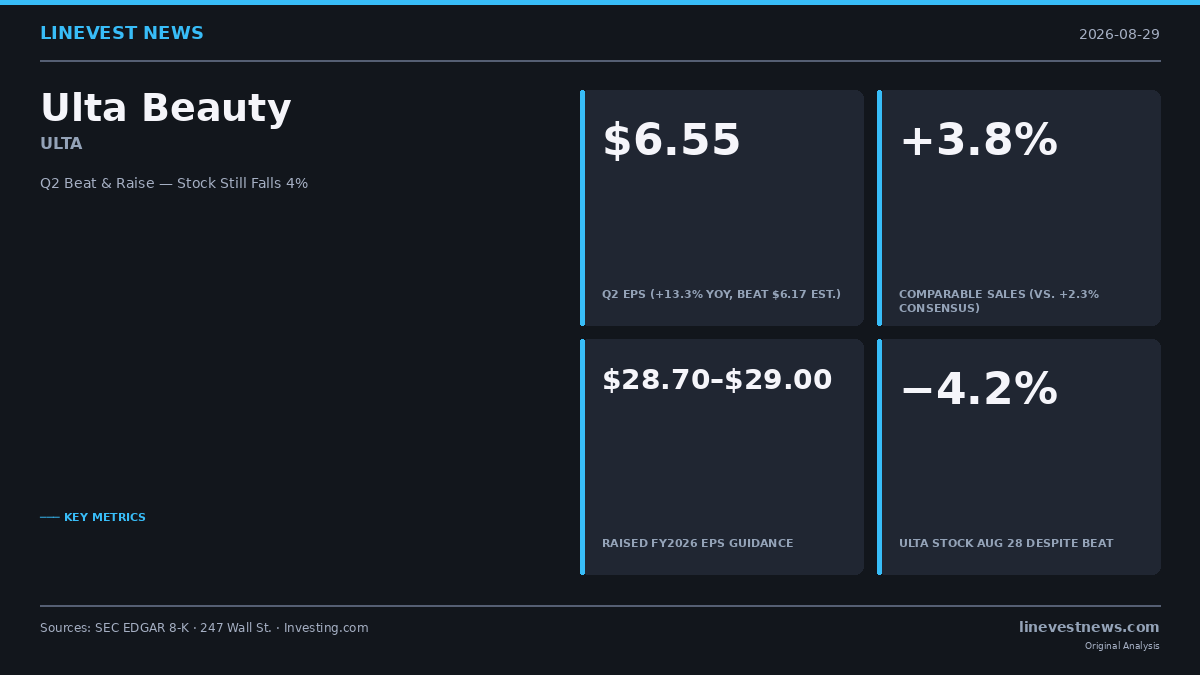
Ulta Beauty (ULTA) Q2 FY2026 Earnings: Beat and Raise, But Why Did the Stock Fall 4%?
3 hours ago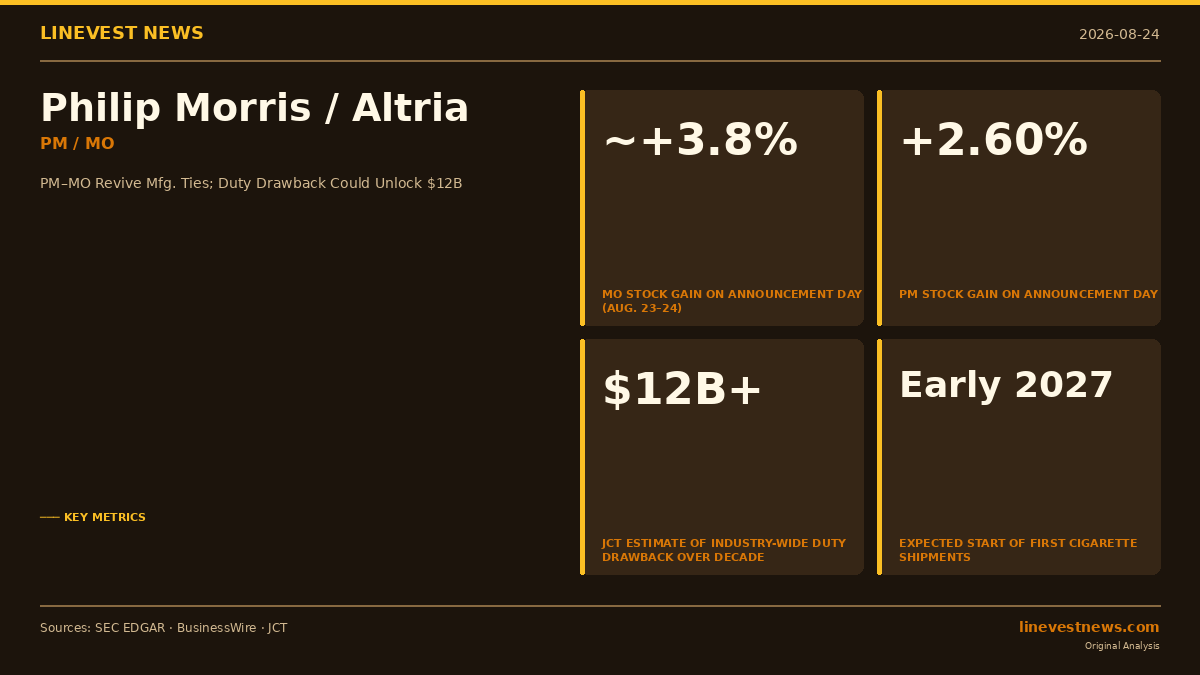
Philip Morris and Altria Revive Manufacturing Ties — What the Duty Drawback Deal Means for PM and MO
5 hours ago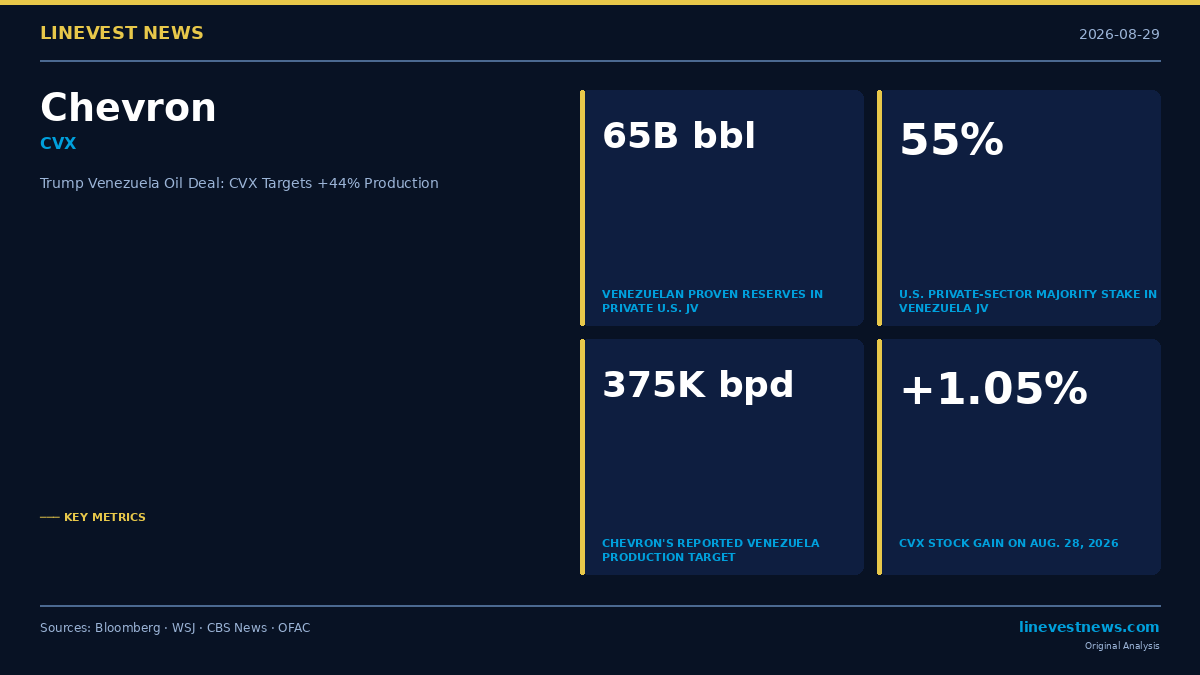
Trump Announces Venezuela Oil Deal — CVX Nears Two New Fields; SLB Signed, HAL in Talks
11 hours ago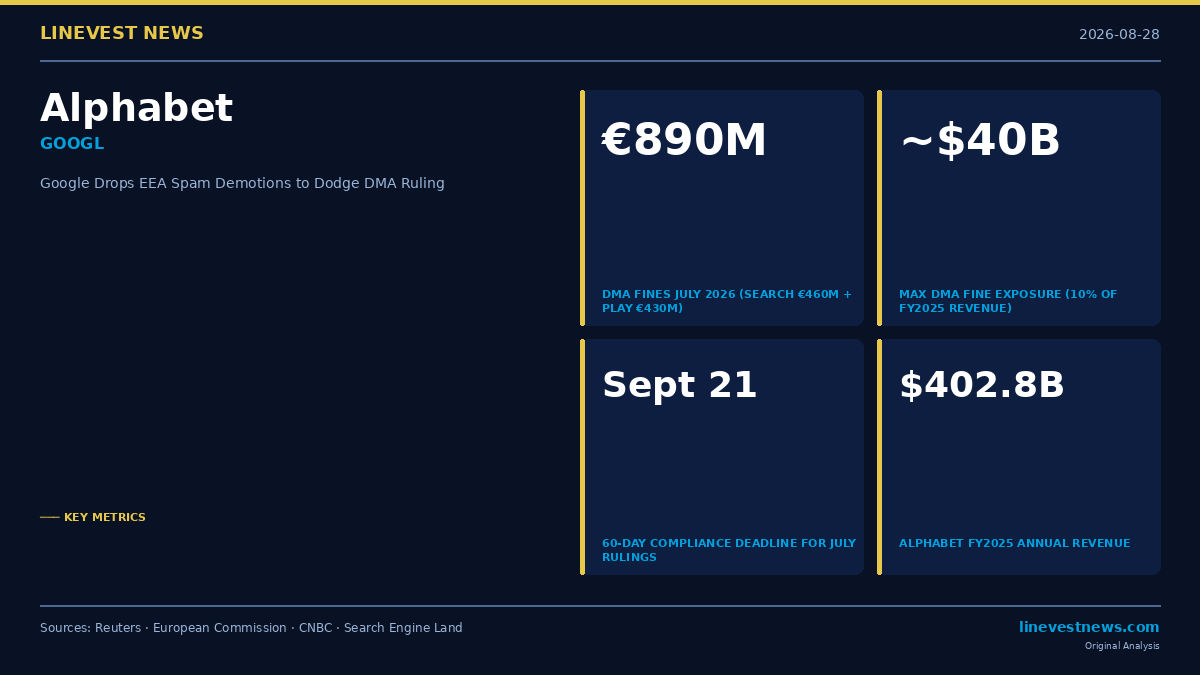
Google Revises EEA Spam Policy to Avert DMA Fine — What GOOGL Investors Need to Know
19 hours ago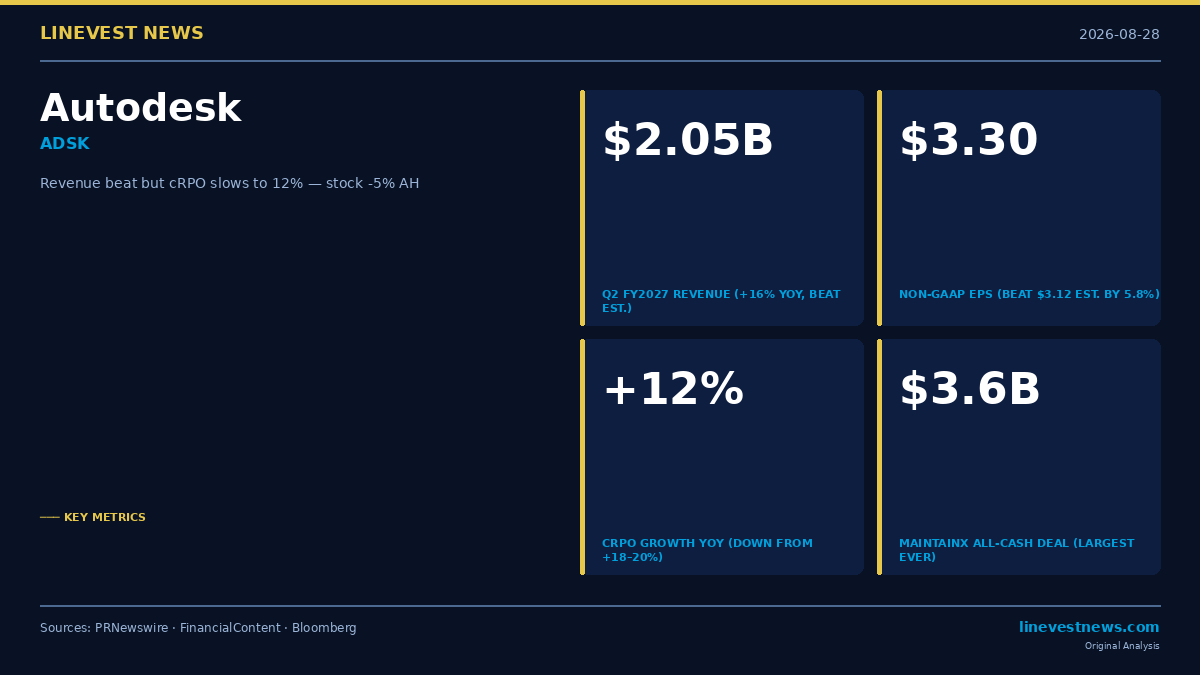
Autodesk (ADSK) Q2 FY2027: Revenue and EPS Beat, but cRPO Slows to 12% — Stock Drops 5%
20 hours agoWarsh Says Fed Has 'Work to Do' at Jackson Hole — September Rate Hike Odds Surge Past 57%
20 hours agoLEARN
View All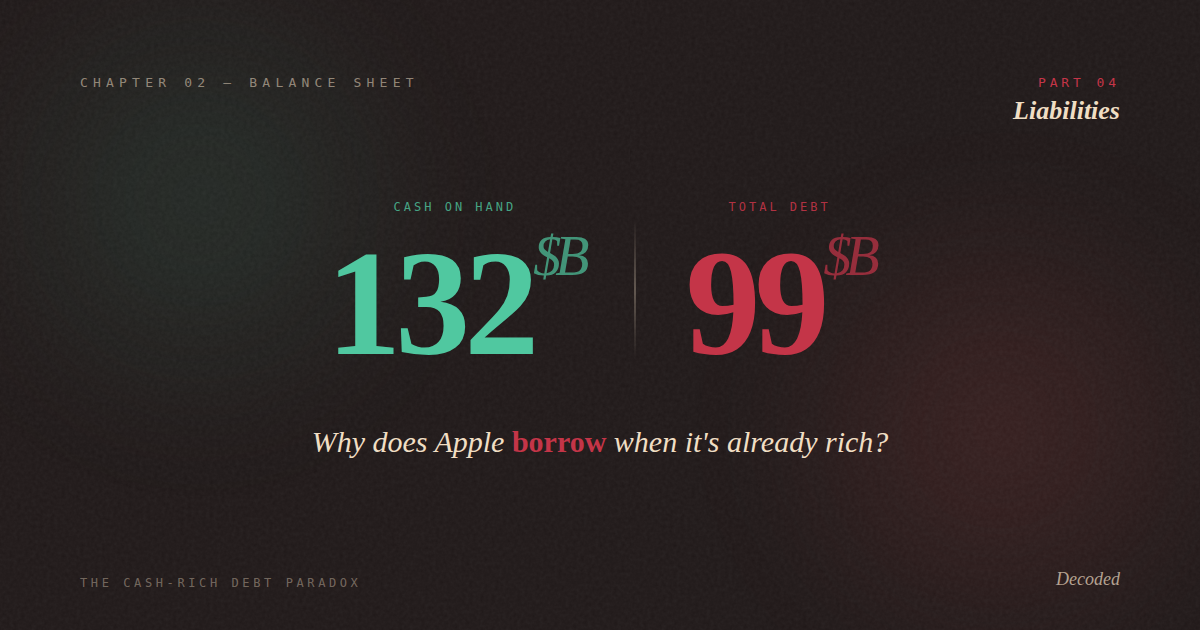
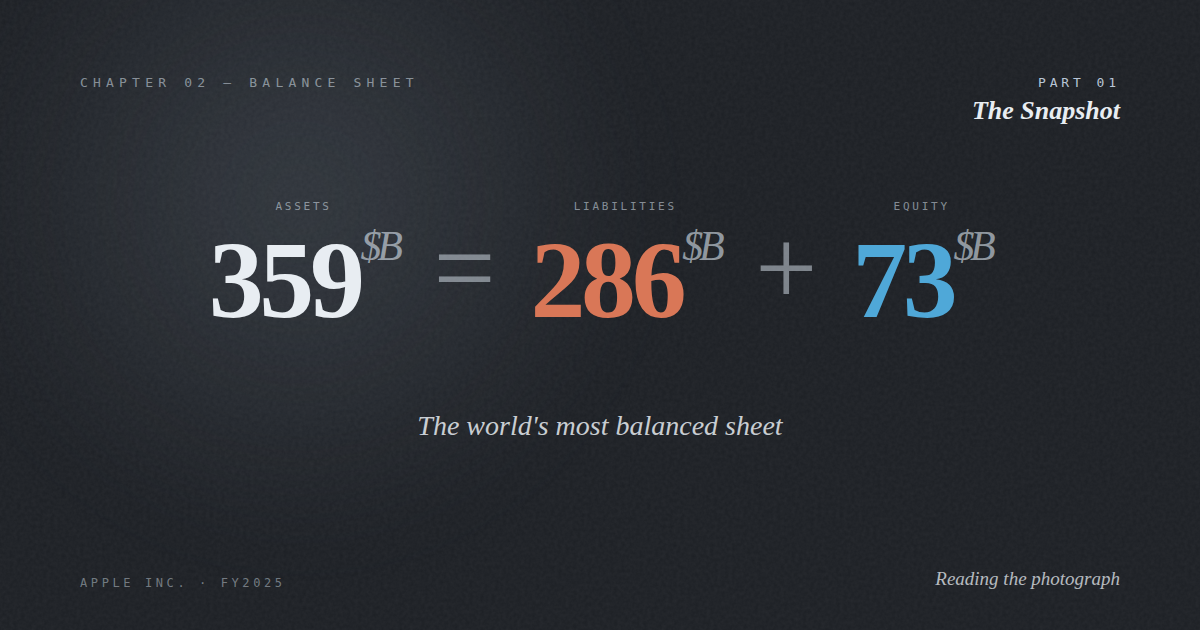
How to Read a Balance Sheet (Part 4): Liabilities and the Cash-Rich Debt Paradox
Apple holds $132B in cash yet carries $99B in real debt — why? This Part 4 breaks down Apple's $285B in liabilities, separates operational from financial debt, and resolves the cash-rich debt paradox.
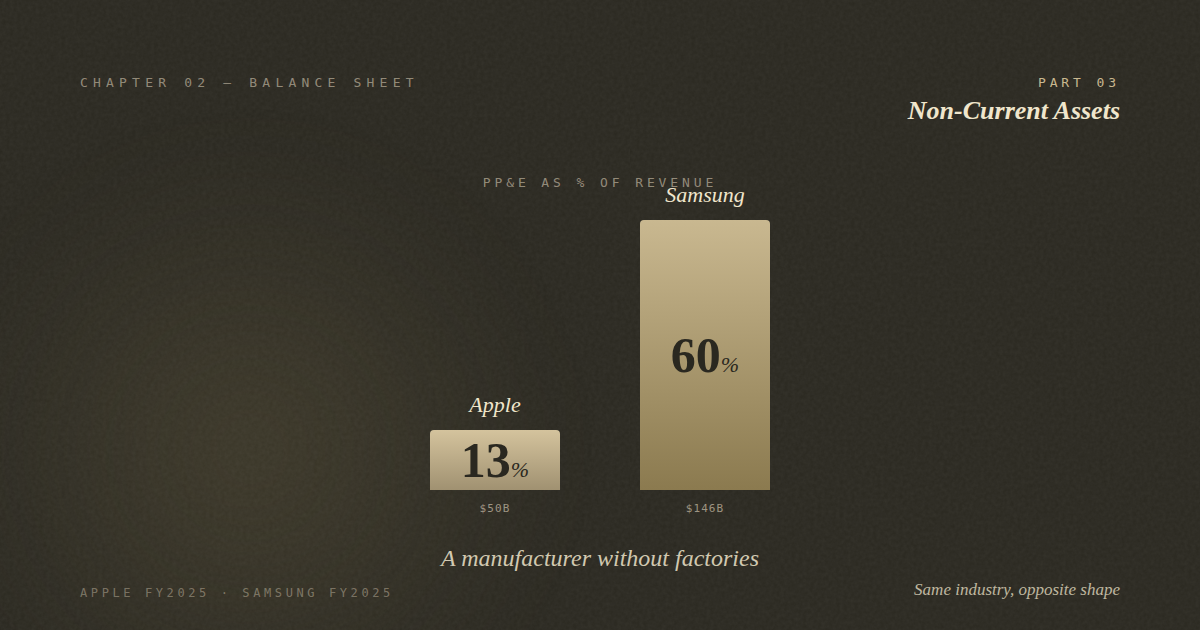
How to Read a Balance Sheet (Part 3): Non-Current Assets and Capital Expenditures
Apple's $211B in non-current assets reveals a company that holds more bonds than factories. With CapEx at just 3.2% of revenue versus 18% for peers, Apple's balance sheet looks more like a hedge fund than a manufacturer — a structural advantage that fuels its enormous buyback program.
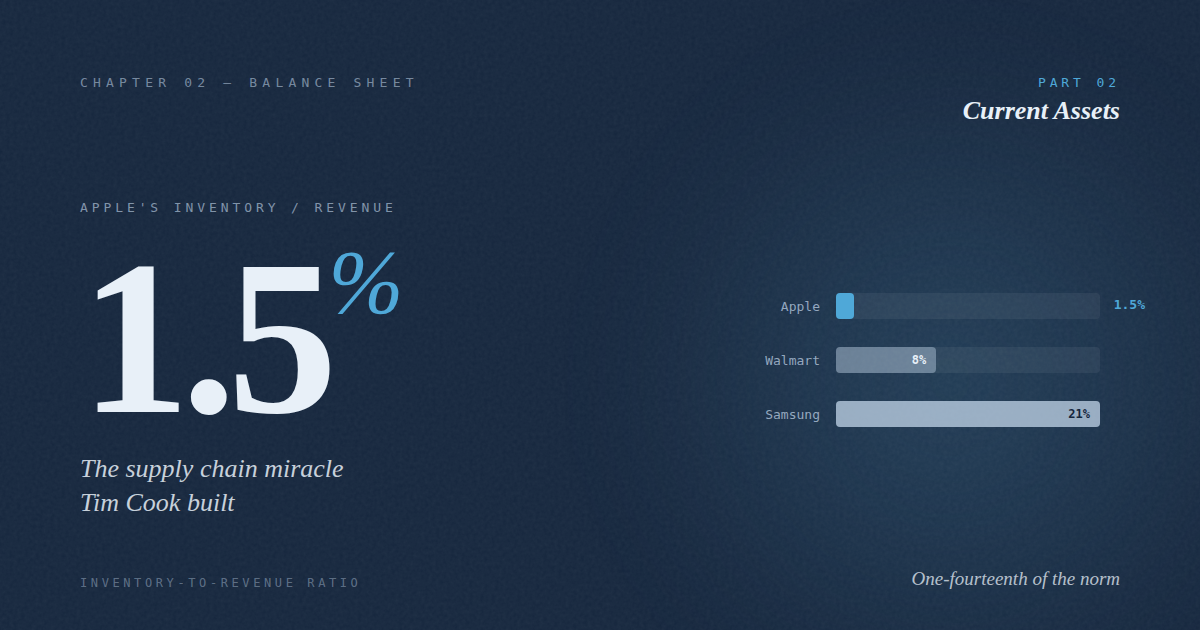
How to Read a Balance Sheet (Part 2): Inside Current Assets
Apple's $148B in current assets, line by line. Why $35.9B in cash isn't all cash, what 37-day DSO reveals about Apple's leverage over carriers, and how a $5.7B inventory and $33B in vendor non-trade receivables form the most powerful supply chain in commercial history.